Competitive football for adults with cerebral palsy.
Follow the league, discover our teams, see the latest results and find out how to get involved


2026/27 SEASON




KEEPER GIVES IT EVERYTHING 🧤🔥 Pure commitment in Round 1. ⚽👏 #CPFootball #DisabilityFootball #Football #CerebralPalsyFootball

GOAL! ⚽🔥 York City’s fourth against Loughborough University in Round 1 of the 2026/27 National Cerebral Palsy Football League. #CPFootball #CerebralPalsyFootball #DisabilityFootball #Football

MATCH DAY 🔥⚽ The 2026/27 National Cerebral Palsy Football League season is underway! 🏆 Big moments. Passion. Pride. The journey begins. ❤️ #CPFootball #NationalCerebralPalsyFootballLeague #DisabilityFootball #CPSport #Football

This is CP football ⚽🔥 Competitive. Passionate. Full of moments like this. ❤️ #CPFootball #CerebralPalsyFootball #DisabilityFootball #Football

Yesterday Chelsea Foundation took on Norwich at the FA Disability Cup Final at St George’s Park After going 1 goal down to Chelsea, Norwich came fighting back to win 2-1! A massive congratulations to Norwich and commiserations to Chelsea Foundation Both teams played really well and well done to all the players! https://youtu.be/0n3Pk3UfrmE?is=jcXscDJNmxd1J7eV

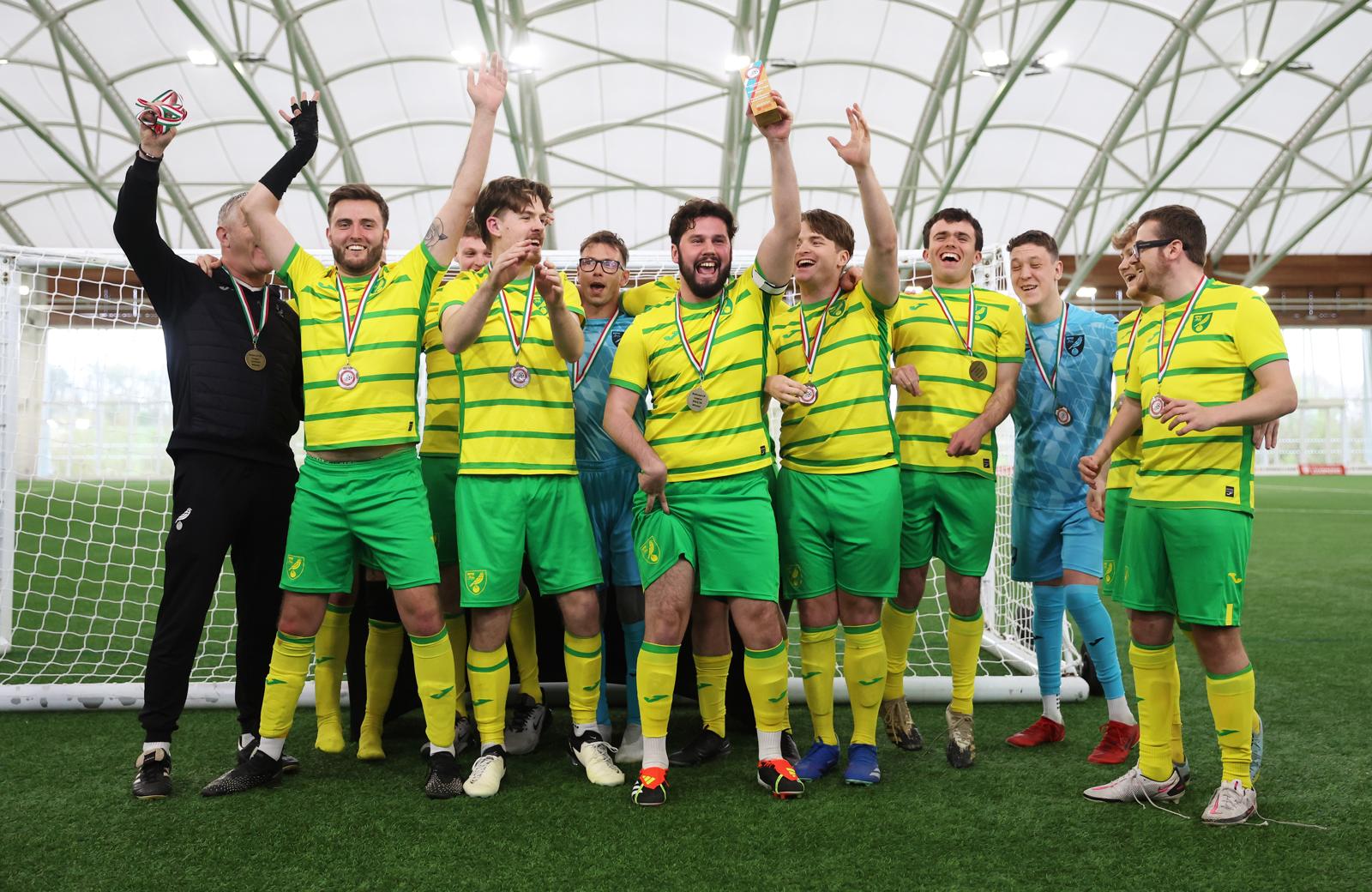
3 weeks ago at The National CP Cup tournament, 13 teams met to play for a place at the FA Disability Cup Final. There was some nail biting football played and Norwich City came out the winners to play in 3 weeks time at St George’s Park against our league winners Chelsea Foundation! We would like to thank the @Brain_Injury_Group our proud sponsors this season and CP Sport for their continued support. Catch the FA Disability Cup Final on @TNT Sports on 27th June 2026 #football #cerebralpalsy #disabilityfootball #england

It’s all over and Norwich City have won the CP Cup tournament and secure a place in the FA Disability Cup Final next month #Football #cerebralpalsy #disabilityfootball #yeezy

Updated results from the National Cerebral Palsy Cup tournament today at St George’s Park, the semi finals are under way! We will be live streaming the FINAL! #Football #cerebralpalsy #disabilityfootball #cpcup @Brain_Injury_Group

The latest scores for the CP Cup tournament! Winners secure a place in the FA Disability Cup Final at St George’s Park#Football #fyp #cerebralpalsy #disabilityfootball @Brain_Injury_Group

Our CP Cup Tournament is tomorrow at St George’s Park @Brain_Injury_Group @TNT Sports #cpcup #fyp #Football #xyzabc